Food sticking is one of the most common frustrations when using a stainless steel BBQ grill mesh. A fillet tears when it is turned, vegetables remain attached to the wires and the next batch picks up burnt residue from the previous one. These problems can make outdoor cooking slower and increase cleaning time in a busy food-service operation.
The good news is that sticking is usually a process problem rather than a defect in the stainless steel itself. Preheating, surface preparation, food moisture, wire spacing and cleaning all affect how easily food releases. A stainless steel BBQ grill mesh with a smooth electropolished finish and clean welds provides a strong starting point, but it still needs to be used correctly.
1. Why Food Sticks to Stainless Steel Mesh
Food proteins and sugars naturally bond to a hot metal surface while they brown. Sticking becomes worse when the mesh is cold, damp or covered with carbonized grease.
Common causes include:
- Placing food on the mesh before it has preheated
- Leaving water or marinade on the food surface
- Using too little oil or applying it unevenly
- Turning food before the seared surface has released
- Selecting a wire opening that does not support the food securely
- Allowing sauce or grease to burn onto the wires
- Scrubbing with tools that leave rough scratches or metal fragments
The same issue can appear with a new mesh and with an older one. A new surface may need a short seasoning routine, while an older surface may simply need residue removed and the heating procedure corrected.
2. Clean and Dry the Mesh Before Cooking
Start with a clean cooking surface. Wash a new grill mesh with warm water and a suitable detergent to remove dust, packaging residue and handling oils. Rinse it thoroughly and dry it before placing it over the fire.
For a used mesh, remove loose carbon and grease with a soft grill brush or non-abrasive pad. Pay attention to the points where the inner wires meet the outer frame. Residue in these joints can transfer to food and create uneven contact.
Do not put a wet mesh over a strong fire and assume the water will solve the problem. Remaining moisture can create steam, cool the surface and delay browning. Drying also reduces water marks and helps you see whether the wires or welds need inspection.
If the frame no longer sits flat, repair or replace the mesh before cooking. A twisted frame can create high spots where food sticks and low spots where heat is inconsistent.
3. Preheat the Mesh Correctly
Preheating helps the stainless steel reach a stable cooking temperature before food is added. It also evaporates residual moisture and allows a thin layer of oil to spread across the contact points.
Place the empty mesh on the intended grill or support and let it heat for several minutes. The exact time depends on the fuel, grate height, mesh thickness and weather. Instead of following a universal minute count, look for a consistently hot surface and a fire that is not producing excessive flames.
Avoid heating the mesh over uncontrolled flare-ups. Flames can burn oil and marinade before the food has formed a useful sear. Move the mesh to a zone with steady radiant heat when necessary.
For commercial kitchens, use the same preheating position and procedure for every shift. Standardization makes it easier for staff to achieve similar release and browning from one batch to the next.
4. Apply a Thin, Even Film of Oil
A light coating of cooking oil reduces direct bonding between food and wire. Apply the oil to the food or to the warmed mesh with a heat-resistant brush, folded paper towel held by tongs or a spray designed for high-temperature cooking.
Use only a thin film. Excess oil drips into the fire, creates smoke and can leave a sticky carbon layer on the mesh. Cover the raised wires and the frame edges that may contact food, but avoid flooding the intersections.
Choose an oil appropriate for the expected cooking temperature and the flavor profile of the food. When cooking marinated meat, reduce the amount of added oil because the marinade may already contain fat. Sugary sauces should usually be applied later in the cook, after the surface has browned, because sugar can caramelize and stick quickly.
For a new mesh, some users apply a thin layer of edible oil and heat it briefly before the first full cook. This can help condition the surface, but it is not a substitute for washing away manufacturing residue or following the oil supplier’s safety instructions.
5. Prepare Food So It Can Release Cleanly
Food preparation has a direct effect on sticking. Pat meat, fish and vegetables dry with a clean towel before oiling. Excess water lowers the surface temperature and delays browning, while wet marinade can burn on the wires.
Cut portions to a reasonably consistent thickness so that one side can form a crust before the food is moved. Small loose ingredients should be sized for the mesh opening. If pieces can fall between the wires, they may become trapped and tear when lifted.
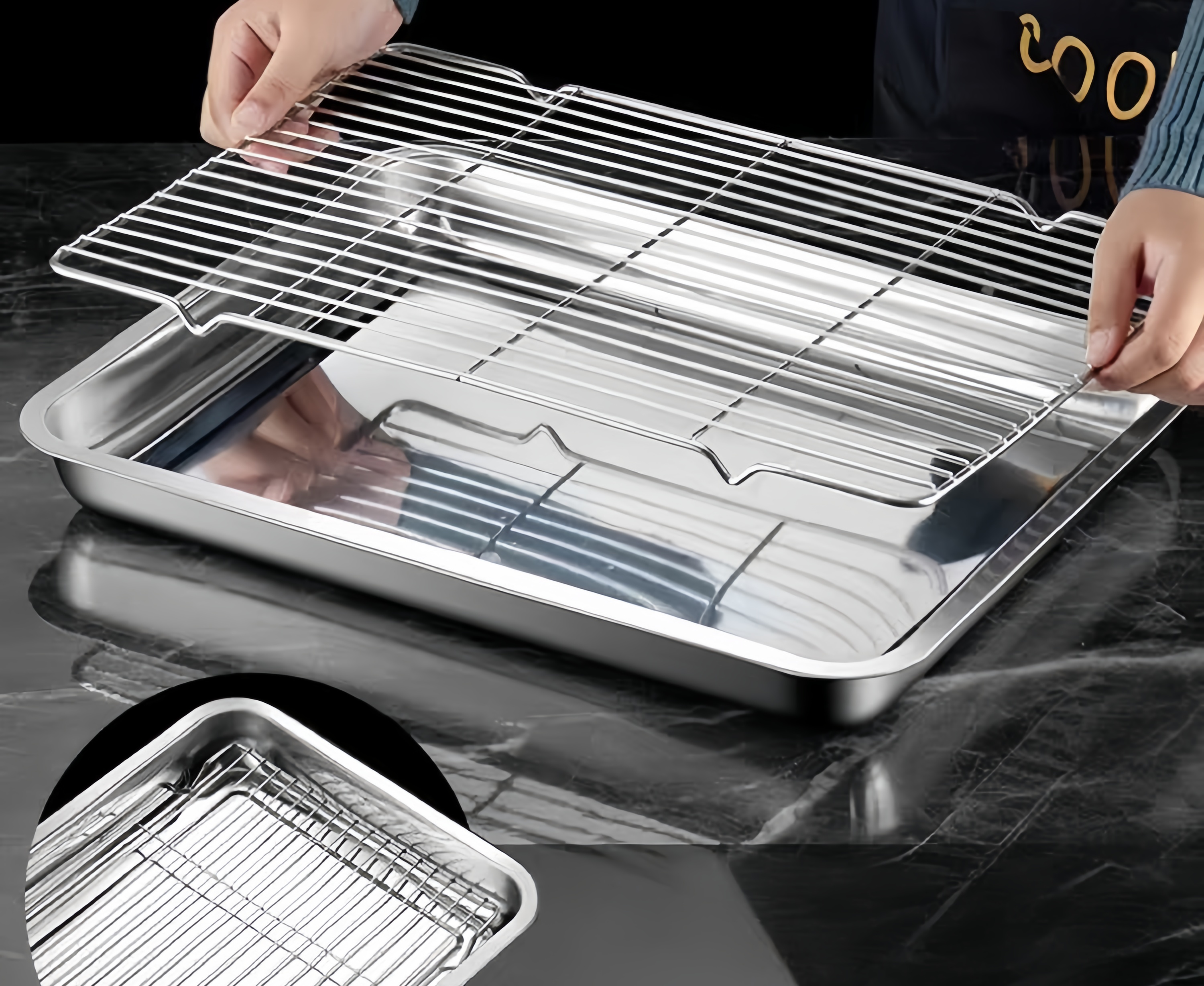
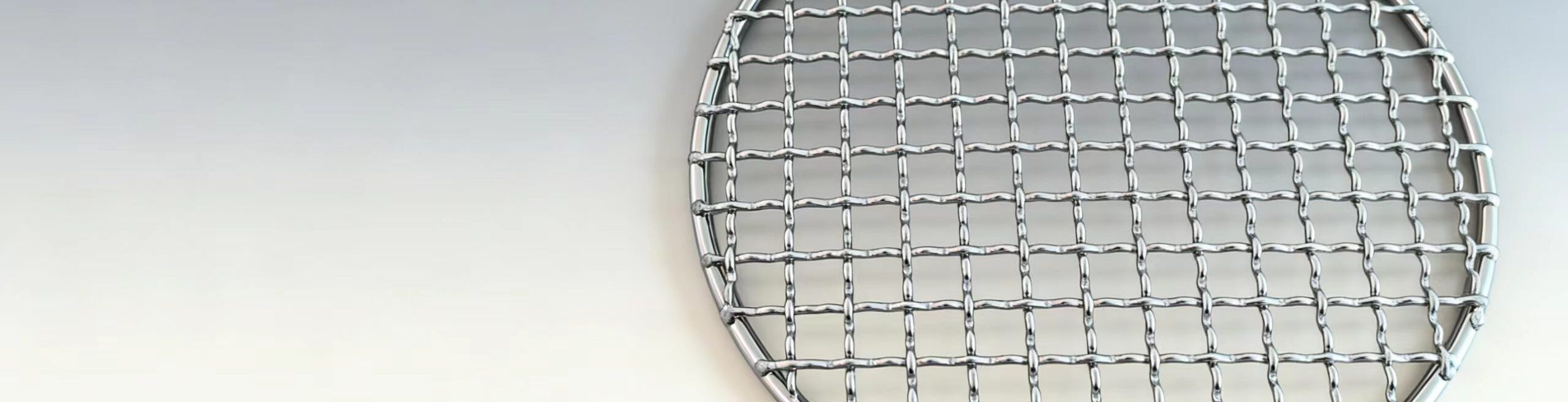
For delicate fish or soft vegetables, consider a smaller opening or a removable fine-mesh insert. A square or rectangular mesh can be useful when portions are arranged in rows, while a round mesh may better suit a circular fire pit. The shape should support the way food is loaded and turned.
6. Let the First Side Sear Before Turning
Turning too early is a major cause of tearing. When food is first placed on the hot mesh, proteins may attach temporarily. As browning develops, the surface often releases more easily.
Use tongs or a spatula to test one corner rather than forcing the entire portion. If it resists strongly, wait a little longer and check the heat. Do not drag food back and forth across the wires; this spreads residue and damages delicate surfaces.
Turn food only as often as the recipe requires. Fewer movements reduce the chance of sticking and help maintain a consistent grill mark. For a loaded mesh, lift with two tools or use the configured handle so that the cooking surface stays level during transfer.
7. Match Wire, Opening and Load to the Food
Sticking can be made worse by an unsuitable mesh specification. A wide opening may allow a soft fillet or small vegetable to sag into the gaps. When the food is lifted, its edges catch on the wires and tear.
Smaller openings generally provide more support for shrimp, sliced mushrooms, diced vegetables and delicate fish. Larger openings can work well for steaks, ribs and other portions that bridge several wires. Wire diameter also matters: thicker wire improves load capacity and can create stronger contact marks, while thinner wire keeps the product lighter.
For a mixed menu, specify the opening according to the smallest loose ingredient or add a finer insert for selected recipes. Buyers ordering custom products should test the mesh with real food rather than relying only on a nominal opening dimension.
8. Clean Residue Before It Burns Onto the Surface
Remove food residue while it is still manageable. After the mesh has cooled to a safe handling temperature, brush away loose particles and wash it with a suitable detergent. Rinse thoroughly so that cleaning chemicals do not remain on the food-contact surface.
Avoid aggressive scraping that gouges the wires or frame. Deep scratches can create places where grease and carbon collect, making future sticking more likely. A smooth electropolished surface is easier to maintain when it is cleaned with non-abrasive tools.
Inspect the mesh after washing. Look for:
- Opened welds at wire-to-frame joints
- Broken or bent inner wires
- Sharp projections on the edge
- A frame that rocks instead of sitting flat
- Dark residue that remains after normal washing
Remove a damaged mesh from service until it has been assessed. Repairing a small frame problem early is safer and less expensive than dealing with a failed rack during a busy cooking period.
9. A Repeatable Anti-Stick Workflow
Home cooks and commercial teams can use the following sequence as a simple standard operating procedure:
- Wash the mesh and dry it completely.
- Inspect the frame, wires and welds for damage.
- Preheat the empty mesh over steady heat.
- Apply a thin, even film of suitable cooking oil.
- Pat food dry and oil the food lightly if appropriate.
- Place portions with enough space for heat to circulate.
- Allow the first side to brown before testing release.
- Turn with tongs or a spatula without dragging across the wires.
- Move sugary sauces onto the food near the end of cooking.
- Cool, brush, wash, rinse and dry the mesh after use.
Keeping the order consistent helps identify the real cause when sticking returns. If the same food still adheres after the procedure is followed, review the mesh opening, wire diameter, heat level and marinade rather than simply adding more oil.
10. What OEM Buyers Should Specify
Private-label and wholesale buyers should describe anti-stick expectations in the product specification. Include details that affect surface contact and cleaning:
| Requirement | Detail to Provide |
|---|---|
| Food menu | Small foods, fillets, steaks, vegetables or mixed portions |
| Mesh shape | Round, square or rectangular |
| Opening | Clear opening in millimeters |
| Wire diameter | Required support, weight and contact mark |
| Frame | Thickness, reinforcement and edge treatment |
| Material | 304 or 201 stainless steel |
| Finish | Electropolished or another approved finish |
| Equipment | Fire pit, charcoal grill, gas grill or oven shelf |
| Cleaning | Hand washing, commercial washer or other routine |
| Sample test | Foods, load and cooking conditions to be approved |
Ask the manufacturer to provide a sample before mass production. Test the sample with the actual oil, marinade, heat source and cleaning tools used by customers. This gives a more reliable result than judging release from a photograph or a material certificate alone.
Frequently Asked Questions
Should I oil the food or the stainless steel mesh?
Either method can work. A thin film on both surfaces may help with lean or delicate foods, but avoid excess oil that can smoke, flare or form carbonized residue.
Why does fish stick more than steak?
Fish is often softer and contains more surface moisture. Use closer support, dry the fillet before cooking and wait for the first side to form a crust before turning.
Can a scratched grill mesh be made non-stick again?
Light residue can usually be removed with proper washing, but deep scratches may continue to trap grease. Inspect the surface and replace the mesh if it has sharp damage, broken wires or opened welds.
Does electropolishing prevent food from sticking completely?
No. Electropolishing creates a smoother, easier-to-clean surface, but preheating, oiling, food preparation and correct turning technique are still necessary.
Final Takeaway
To prevent food sticking to a stainless steel BBQ grill mesh, control the complete cooking process: start with a clean, dry surface, preheat it steadily, apply a thin film of oil, prepare food with less surface moisture and wait for browning before turning. Then clean residue before it hardens and inspect the frame after every use.
For OEM and commercial orders, select the opening, wire diameter, frame and finish around the actual menu and cleaning routine. A sample tested under real cooking conditions is the fastest way to confirm reliable food release and long-term mesh performance.