Para restaurantes, Marcas de equipos para barbacoa y compradores mayoristas., La deformación de la parrilla puede afectar la vida útil del producto y la satisfacción del cliente.. Una rejilla de acero inoxidable se expone repetidamente al calor., ciclos de enfriamiento y cargas de alimentos. Si su marco no está diseñado adecuadamente, puede doblarse, se levanta en las esquinas o se hunde en el centro.
¿Por qué se deforman las parrillas de acero inoxidable??
Todo metal se expande cuando se calienta.. El riesgo de deformación generalmente aumenta cuando una parrilla grande utiliza un marco exterior delgado o tiene un soporte interno insuficiente.. Por lo tanto, los compradores deben considerar la estructura completa en lugar de seleccionar especificaciones de alambre y marco basadas únicamente en el precio..
¿Cómo se puede mejorar la estabilidad del marco??
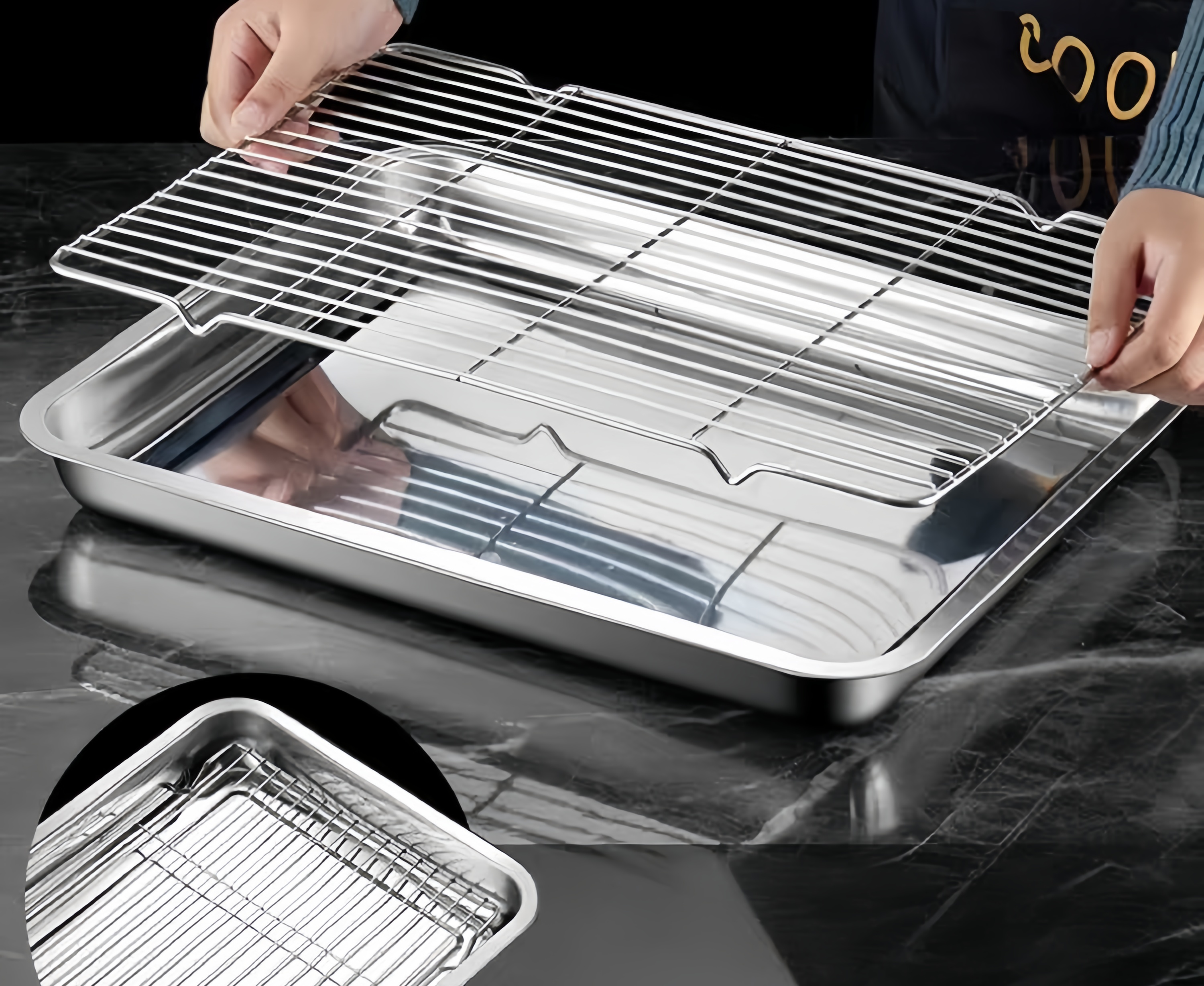
El diámetro del marco debe coincidir con las dimensiones generales de la rejilla y la carga esperada.. Las rejillas comerciales más grandes normalmente requieren un marco exterior más resistente.. barras transversales, Los soportes centrales o las secciones reforzadas también pueden distribuir el peso de manera más uniforme y ayudar a estabilizar la superficie de cocción..
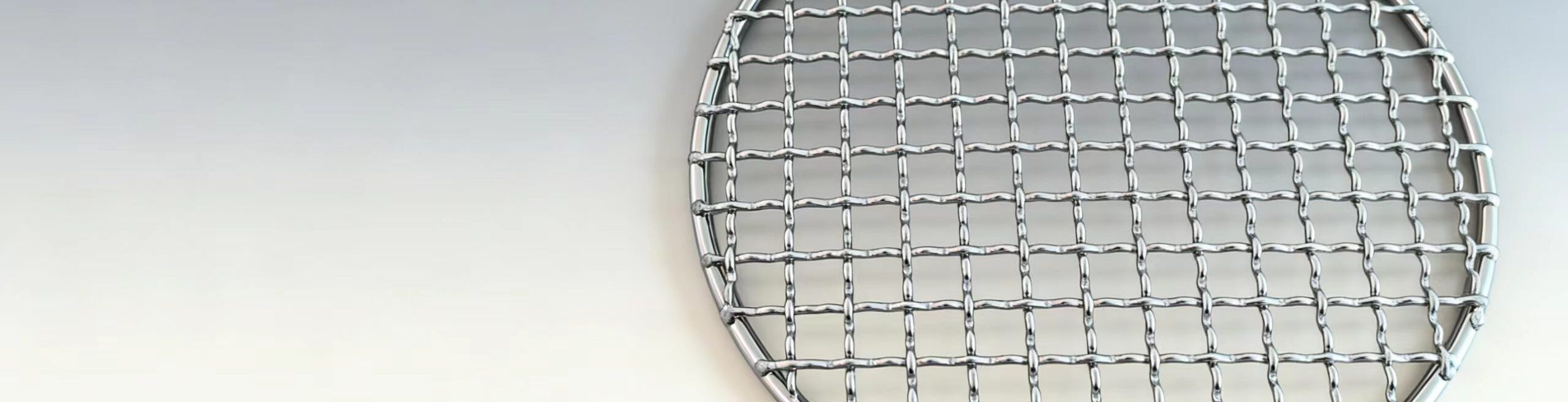
El diseño de la soldadura es otro factor importante.. Las soldaduras consistentes y colocadas correctamente ayudan a mantener juntos el marco y los cables internos.. La tensión de soldadura desigual puede aumentar la posibilidad de deformación localizada durante el calentamiento repetido.
Para cocina comercial intensiva, a Parrilla de acero inoxidable con barra recta puede proporcionar una estructura práctica y resistente. Diámetro del marco, espesor de la barra interior, el espaciado y las dimensiones generales se pueden personalizar.
¿Qué deberían proporcionar los compradores??
Al solicitar una cotización, Los compradores deben proporcionar las dimensiones de la rejilla., carga esperada, fuente de calor, frecuencia de uso, diámetro de marco preferido y estructura de soporte requerida. Dibujos, Las fotografías o muestras físicas pueden ayudar al fabricante a recomendar un diseño más adecuado..
LittleMonkey Metal fabrica parrillas de acero inoxidable personalizadas para importadores, mayoristas, marcas de cocinas y equipos comerciales. Contáctenos con sus especificaciones para recibir una recomendación de producción y una cotización..